When a housing warps after machining or threads fail in assembly, the root cause often traces back to the supplier—not the drawing. Choosing an aluminum die casting supplier is a technical decision that impacts tooling life, dimensional stability, and production scalability. This guide explains how to evaluate suppliers based on DFM discipline, process control, and integrated manufacturing support to prevent costly quality escapes.

If a housing warps after machining, threads fail in assembly, or cosmetic variation starts showing up lot to lot, the issue often started much earlier - at the aluminum die casting manufacturer level. For procurement teams and engineers, supplier selection is not just about piece price. It affects tooling life, process stability, machining allowance, finishing yield, and how smoothly a program moves from pilot builds into full production.
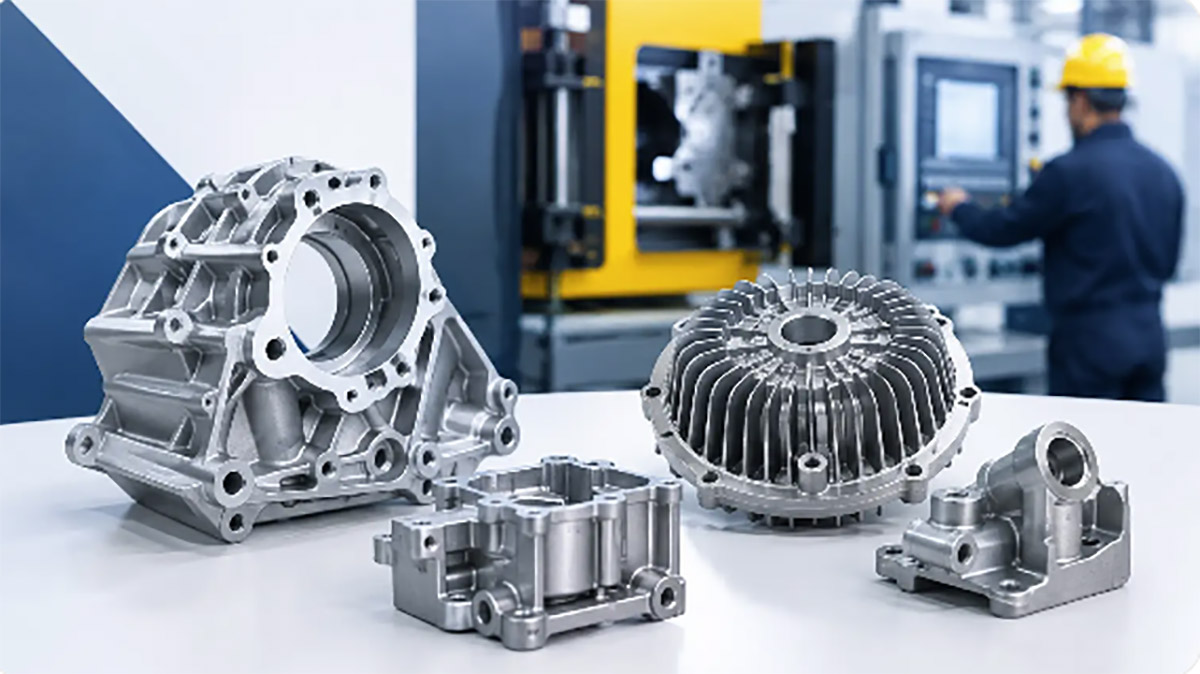
Aluminum die casting is widely used because it can produce complex metal parts at relatively high speed with good repeatability. But not every supplier is set up to support the same part types, quality requirements, or production volumes. A manufacturer may be competitive on basic castings while struggling with tight flatness, pressure-tight parts, secondary machining, or mixed-process assemblies. That is why qualification should focus on fit, not just capacity.
What an aluminum die casting manufacturer should actually provide
A capable aluminum die casting manufacturer does more than pour metal into a mold. The real value is in managing the full production path around the casting. That includes DFM review, tool design, gating and overflow strategy, mold flow considerations, process parameter control, trimming, machining, finishing, inspection, and packaging that protects the part through shipment and downstream assembly.
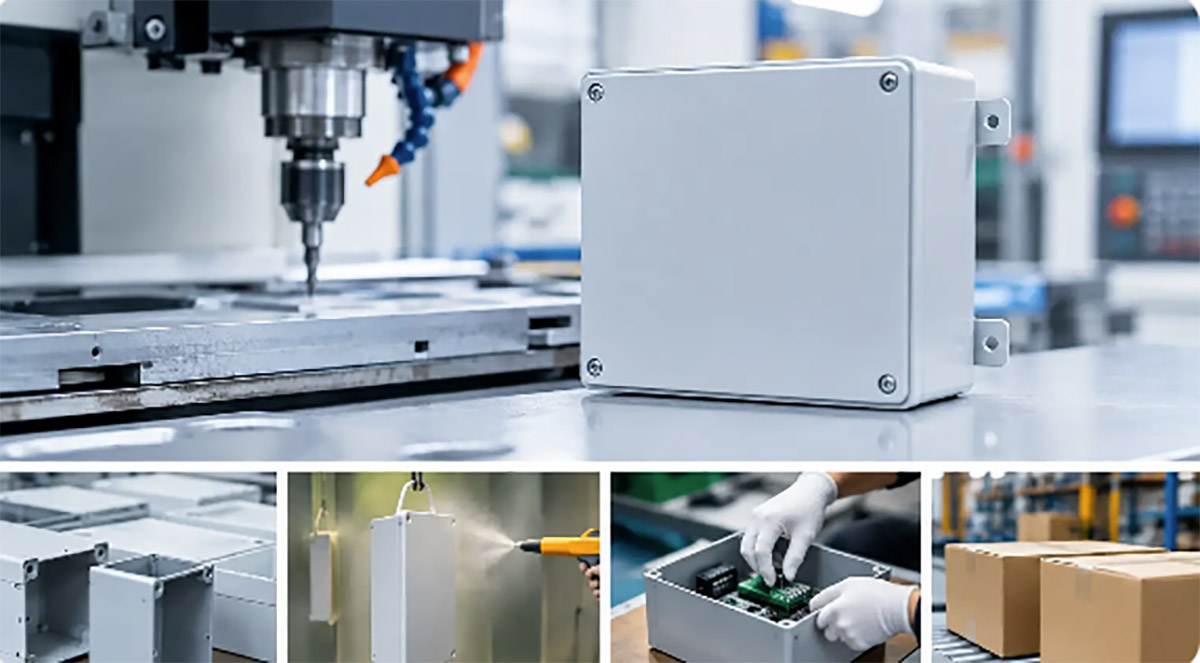
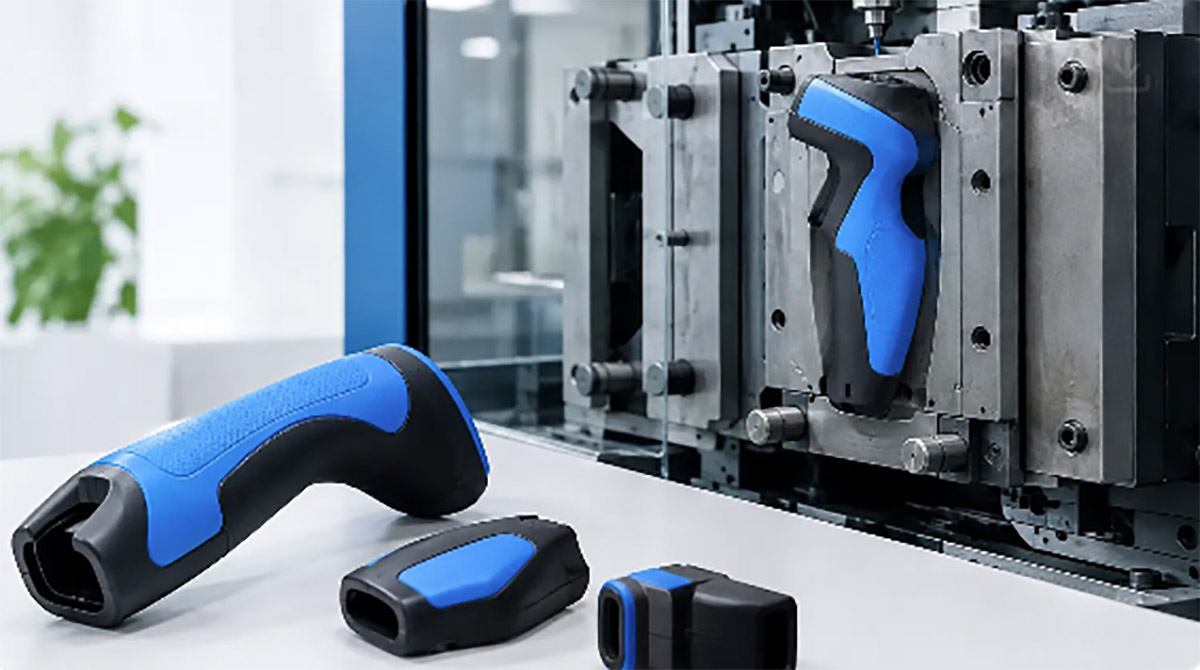
For many OEMs, the casting itself is only one part of the requirement. The supplier may also need to coordinate CNC machining for critical features, tapping, inserts, leak testing, powder coating, bead blasting, anodizing, or sub-assembly. If your product includes plastic, silicone, stamped parts, or purchased components, coordination becomes even more important. A fragmented supply chain can turn a simple metal part into a long lead-time program with avoidable quality escapes.
That is why integrated manufacturing support matters. A supplier that understands the casting process but cannot support post-processing or assembly may still create handoff risk, scheduling gaps, and extra quality management work on your side.
How to assess aluminum die casting manufacturer capability
The first question is whether the supplier has experience with parts similar to yours. Aluminum die casting covers a wide range of applications, from cosmetic consumer enclosures to structural brackets and heat-dissipating electronic housings. A shop that performs well on simple appearance parts may not be the right fit for pressure-tight components or parts with extensive CNC finishing.
Ask how the manufacturer approaches DFM before tooling release. This is often where project risk is either reduced or built in. Useful feedback should cover wall thickness consistency, draft, parting line placement, ejector pin impact, shrinkage behavior, machining stock, porosity-sensitive zones, and whether some features should be cast or machined. If a supplier accepts a drawing with little technical feedback, that is not always a good sign. In many cases, it means manufacturability issues are simply being deferred.
Tooling strategy also deserves close review. Mold steel choice, slider design, venting, cooling layout, and expected maintenance intervals affect both quality and long-term cost. A lower initial tool price can become expensive if flash increases early, dimensions drift, or cycle time remains unstable. For programs expected to scale, tool durability and repeatable maintenance practices matter as much as launch timing.
Process control is another separator. Strong suppliers can explain how they monitor melt temperature, die temperature, injection parameters, cycle consistency, and trimming quality. They should also be clear about what they inspect in-process versus only at final inspection. If your part includes critical tolerances or sealing surfaces, ask whether those features are controlled through casting process discipline, secondary machining, or both.
Cost is important, but cost structure matters more
Many buyers start with unit price, which is understandable. However, aluminum die casting should be quoted as a process system, not just a casting weight multiplied by a rate. Tooling cost, expected tool life, scrap assumptions, machining content, finishing yield, inspection requirements, packaging, and logistics all affect true program cost.
A cheaper quote may rely on aggressive assumptions that do not hold once production begins. This is common when complex features are priced as castable but later require extra machining, or when cosmetic expectations are higher than the initial process can support. It also happens when porosity-related rework, leak test failures, or finish rejection are not fully accounted for.
The better approach is to compare quotes against the same technical baseline. Review alloy selection, tolerances, critical dimensions, machining scope, surface finish standard, and quality documentation. If one supplier appears significantly lower, identify what is missing before treating it as savings.
For lower volumes, it may also be worth asking whether the part truly belongs in die casting yet. In some cases, CNC machining or alternative tooling methods make more commercial sense during pre-production or early market validation. A practical manufacturing partner will tell you that when it is true.
Common quality risks in die cast parts
Most die cast quality issues are manageable, but only if they are addressed at the design and process stage. Porosity is one of the most common concerns, especially when parts require machining near thick sections, sealing features, or threaded holes. A supplier should be able to discuss how part geometry, gate location, overflow design, and venting affect this risk.
Dimensional variation is another frequent issue. Cast parts can move due to thermal behavior, tool wear, trimming inconsistency, or feature stacking across complex geometry. If your design includes tight positional tolerances, flatness requirements, or alignment features for assembly, those should be highlighted early and reviewed against a realistic control plan.
Cosmetic acceptance can also become a source of conflict if standards are vague. Surface flow marks, witness lines, gate vestige, and minor polishing variation may be normal for the process. If the part is customer-facing, align on appearance standards before production approval, not after the first shipment arrives.
Then there is the interaction between casting and secondary operations. A part that looks acceptable after casting can still fail later in tapping, machining, coating, or assembly. That is why process planning should consider the entire route, not just the cast condition.
Why integrated support can reduce program risk
For many product teams, the best aluminum die casting manufacturer is not simply the one with the largest machine range. It is the one that can manage adjacent operations without adding communication gaps. When tooling, casting, machining, finishing, sourcing, and assembly are coordinated through one manufacturing partner, issue resolution is usually faster and accountability is clearer.
This matters even more when timelines are tight. A supplier that can support prototype iterations, fixture making, drawing refinement, and pilot production under one operating structure can shorten the feedback loop between design intent and production reality. That is often more valuable than saving a small amount on the initial quote.
Xiamen Creator Technology fits this model for companies that need broader production support around custom metal parts. When a die cast component is only one piece of a larger product build, integrated sourcing and downstream manufacturing coordination can reduce scheduling friction and simplify quality management.
Questions worth asking before you place tooling
Before committing, ask how the supplier handles first article approval, mold trials, engineering changes, and capacity planning if demand grows faster than forecast. Ask what inspection reports are standard and what additional validation can be supported if your customer requires it. If the part has functional risk, ask how they would prove the process before full release.
Also ask about communication during launch. Technical buyers rarely need marketing language. They need clear responses on revision status, trial outcomes, corrective actions, and delivery impact. A supplier that communicates well during quoting but becomes vague during tool adjustment is showing you how production will feel.
There is rarely a perfect manufacturer for every project. Some are better for high-volume commodity castings. Others are stronger in complex parts that require machining, finishing, and assembly support. The right choice depends on geometry, quality expectations, annual volume, and how much supplier coordination your team wants to manage internally.
A good manufacturing decision usually comes from asking one practical question: when problems show up, as they sometimes do, does this supplier have the process control and cross-functional capability to fix them without slowing down the whole program?